
Best Things to Do in Malta: Valletta, Gozo, Comino & the Blue Lagoon
Updated: Dec 24, 2025
The island nation of Malta represents a cultural, geographic, and historic crossroads of the Mediterranean region. Wedged between Sicily, Tunisia, and Libya, the archipelago sits on the African tectonic plate, with a culture and history shaped by the great powers of Western Europe and a Semitic language descended from Arabic. The islands offer a mix of unique history and great natural beauty that serve as a sort of microcosm of the Mediterranean world.

Valletta
Malta’s capital city sits atop an elevated peninsula surrounded on either side by two large natural harbors. The peninsula was home to nothing more than Fort Saint Elmo, from which the Knights Hospitaller defended the islands against the Ottoman Empire in the Great Siege of 1565. The Knights Hospitaller were a Catholic military order who had led the Crusades against the Muslims of the Holy Land but had since been pushed back all the way to Malta. The story of their stalwart defense of the island captivated the European public consciousness in the 16th century, and the royal families of Europe were keen to contribute resources to help build a new capital city for the heroic knights.

With significant financial backing from Philip II of Spain and help from military architects sent by the pope, the Knights set about building their new city along the peninsula, protected by fortified walls rising out of the harbors. The city was laid out in a grid in accordance with the Hippodamian Plan from ancient Greece, while adapting to the contours of the hilly topography. Many of the buildings in the city center date to its Renaissance founding, such as the Grandmaster’s Palace, Saint John’s Co-Cathedral, the Church of Saint Catherine of Italy, and the Church of Saint Paul’s Shipwreck, a reference to the Biblical account of the Apostle Paul who shipwrecked on Malta on his way to Rome and was warmly received by the locals.

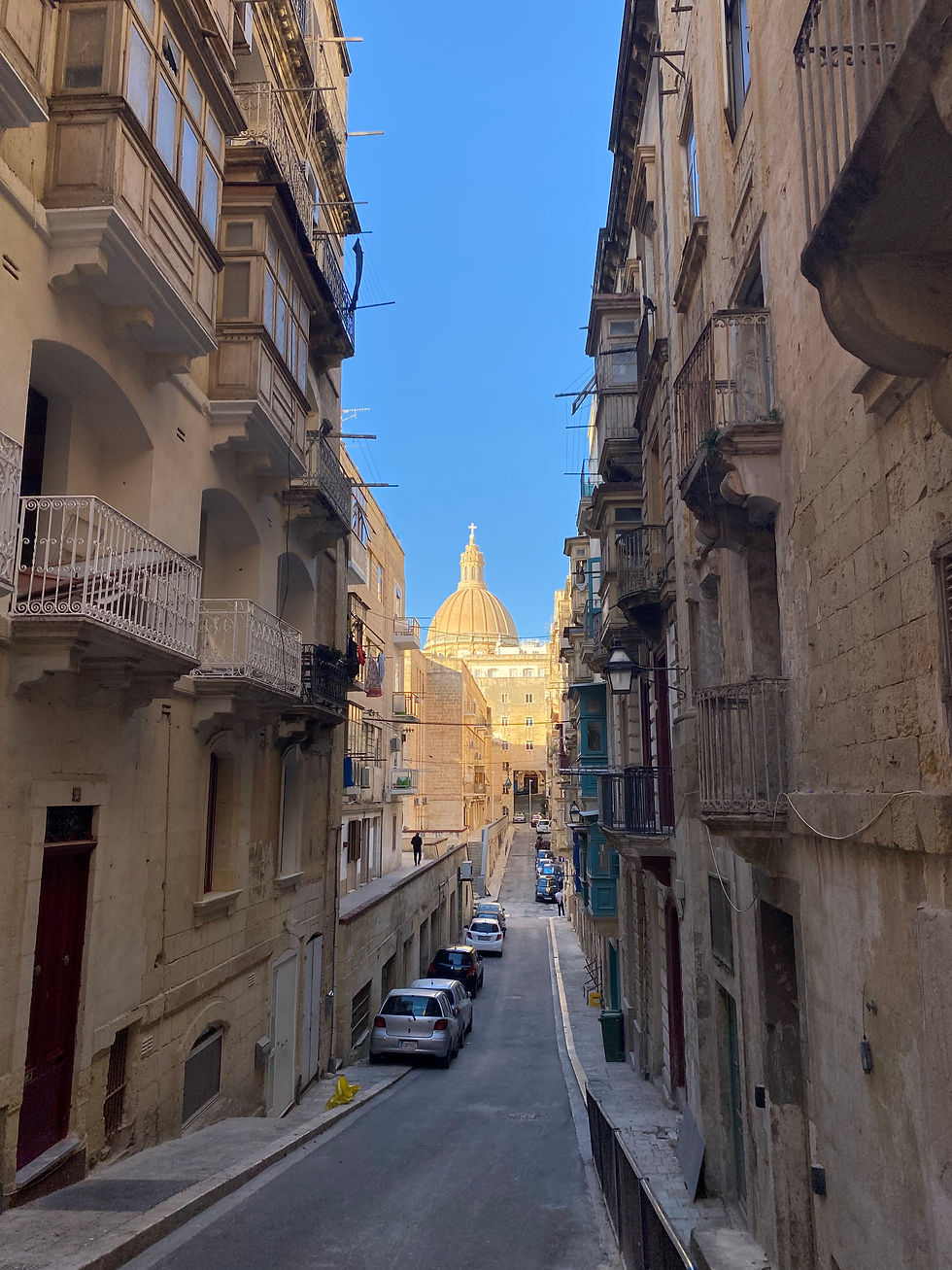
Newer buildings that have been added have maintained the city’s architectural continuity by using the same material, the island’s indigenous globigerina limestone, which has a lovely golden hue. Of note are the Baroque Auberge de Castille as well as the Basilica of Our Lady of Mount Carmel, whose dome is visible from all over the city, which was rebuilt on the site of the original 16th-century church destroyed by German and Italian bombers during World War II.
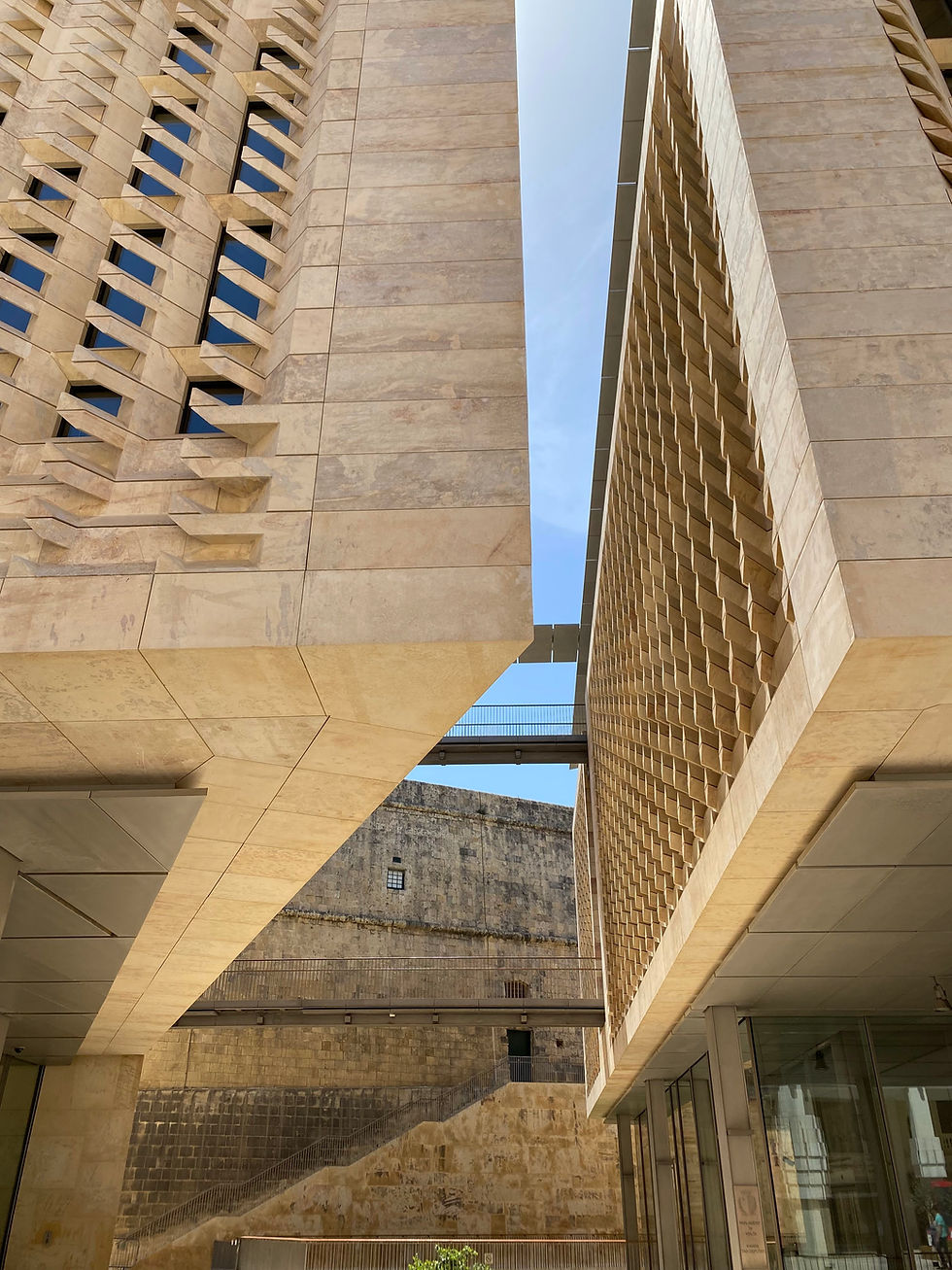
Even the most modern buildings pay homage to the city’s original architecture. In 2011, the Maltese government commissioned the Italian architect Renzo Piano to design a new City Gate at the main entrance to the city with a new Parliament House adjacent to it; the result is a fabulous modern architectural complex that also includes the Pjazza Teatru Rjal, an open-air theater on the ruins of the Royal Opera House, which was also destroyed during World War II.
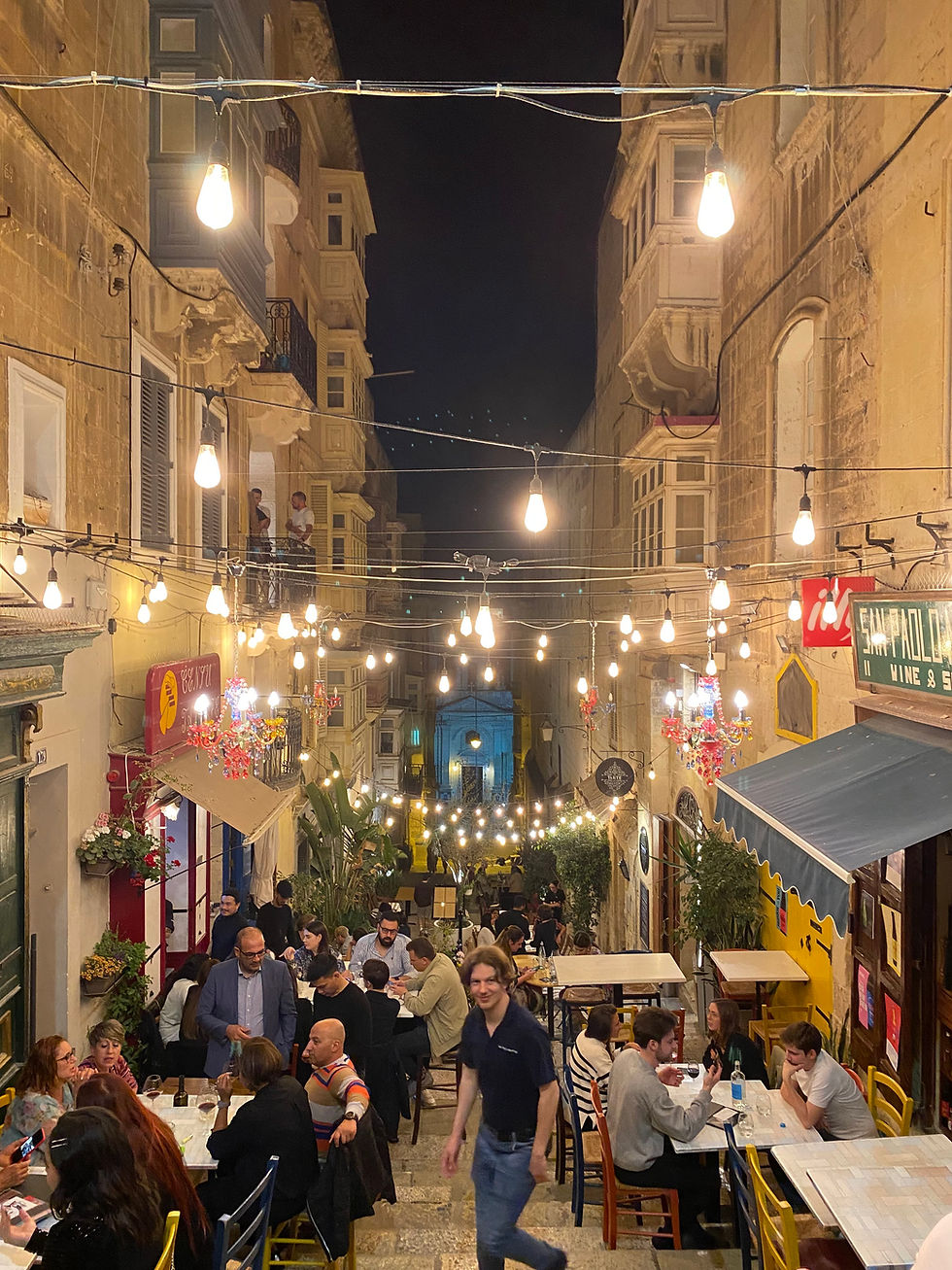
With history, architecture, connections to the rest of the islands, and plenty of restaurants and nightlife, Valletta is the place to stay during your visit to Malta. For dinner, I recommend San Paolo Naufrago for Italian fare; for drinks, try Ġugar Hangout & Bar. And for a delicious, freshly baked pastry on the go, look no further than Jeff’s Pastizzeria; this is a great place to try pastizzi, the traditional Maltese savory pastry, usually filled with either ricotta or curried peas.
Comino
The middle of the three islands of Malta, Comino is virtually uninhabited and exists as a nature reserve and bird sanctuary. The island’s main tourist attraction is the Blue Lagoon, a swimming spot along the rocky coast with brilliant turquoise waters. There are also plenty of walking trails on the rocks up above, with beautiful views in all directions.

The island can be reached easily from Valletta. Hop on a bus outside the City Gate to the town of Ċirkewwa, where you can catch a quick ferry over to the Blue Lagoon.

Gozo
To the northwest, Gozo is the third island of the Maltese archipelago. Gozo’s character is predominantly rural, but the island is rich in historical monuments, with megalithic temples that are among the oldest structures on earth, built between 3600 and 2500 BC. Gozo is also famous for the Cittadella, a fabulously preserved citadel in the city of Victoria, located roughly in the center of the island.
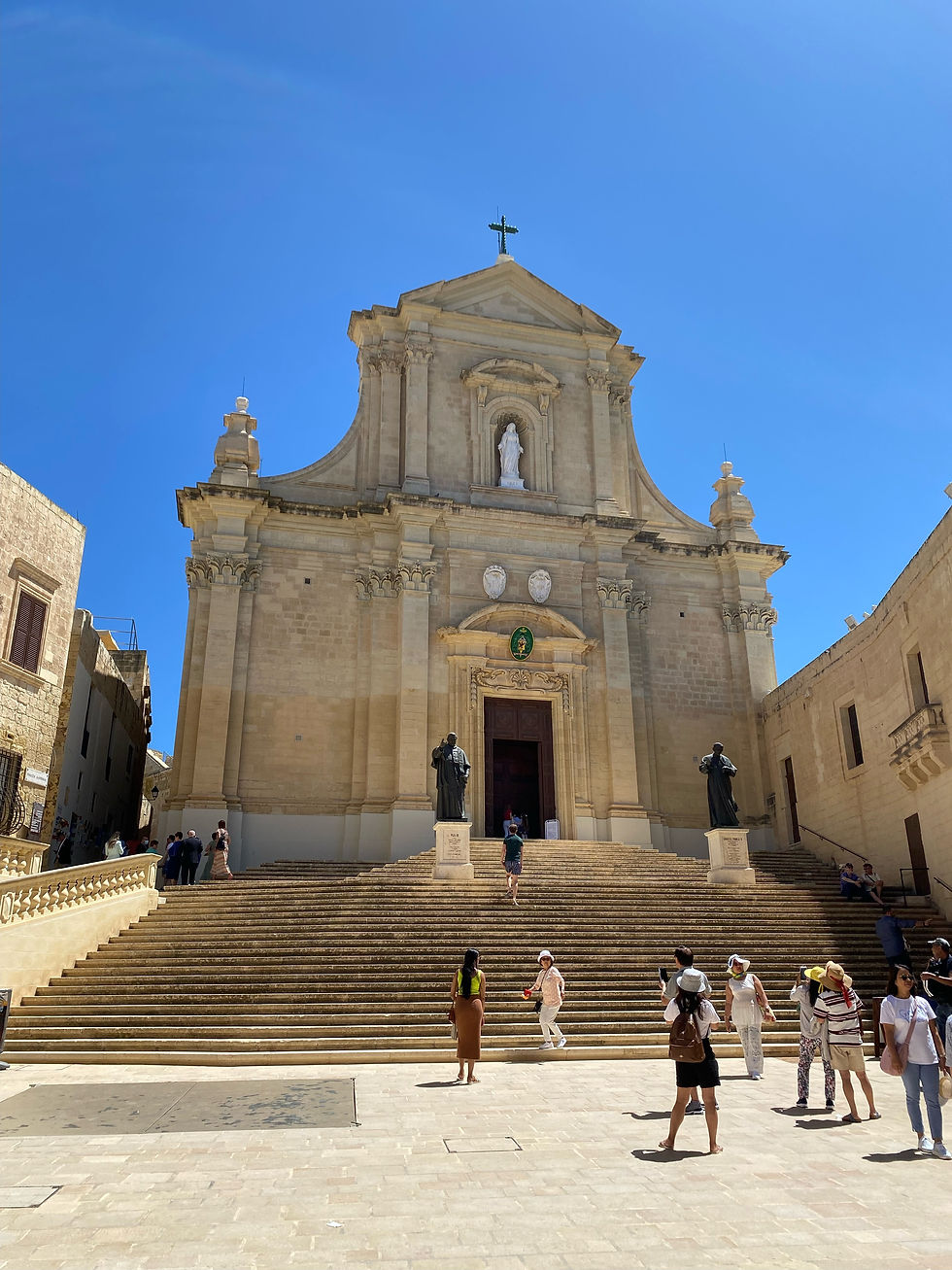
Developed as a defensive outpost by the Knights Hospitaller, who found themselves in perpetual war with the Ottomans, the citadel is a wonderful window into the past, at a time when Malta was a bastion of Christianity at the far reaches of Europe. The complex’s mix of civic and religious buildings shed light on the worldview of the Knights, whose mix of religious devotion and militarism inspired a chivalrous obligation to defend their Christian faith.

Take your time exploring the citadel and, if the weather is nice, head to Ramla Beach on the island’s northern coast, a great stretch of reddish sand with calm waves in a semi-protected bay. From the beach, you can walk up to Calypso’s Cave on the western side of the bay, where legend has it that the nymph Calypso kept the Greek hero Odysseus captive for seven years after he was shipwrecked in Homer’s The Odyssey. On the eastern side of the bay, the Mixta Cave offers a beautiful view of the beach as well.

Gozo can be easily reached via ferry from Valletta or Comino. From there, you can get around the island by bus.


