
The Flavors of Salvador: Afro-Brazilian Cuisine, Iconic Dishes & Where to Try Them
Updated: Dec 24, 2025
Food is an integral part of the experience in Salvador, with its signature dishes symbolizing the history of the city known as Roma Negra (Black Rome). Bahian cuisine is a unique synthesis, mixing cooking techniques and ingredients brought by enslaved people from Africa with those of the Portuguese colonists.

The seafood-based food is much spicier than what you’ll find in the rest of Brazil—when the waiter passes you the molho picante (spicy sauce), proceed with caution—while the unique flavor of many of its dishes owes to its liberal use of azeite de dendê, oil from a specific species of palm tree brought to Brazil in colonial times from West Africa.

Bahian cuisine is widely regarded throughout the country, and many of its dishes have become icons of Brazilian cuisine as a whole. Sampling the typical foods of Salvador is one of the best ways to experience the living culture of the city, where African traditions mix with Portuguese and indigenous influences to create something entirely new. Read on for a guide to some of the best restaurants in Salvador.
Restaurante Casa de Tereza
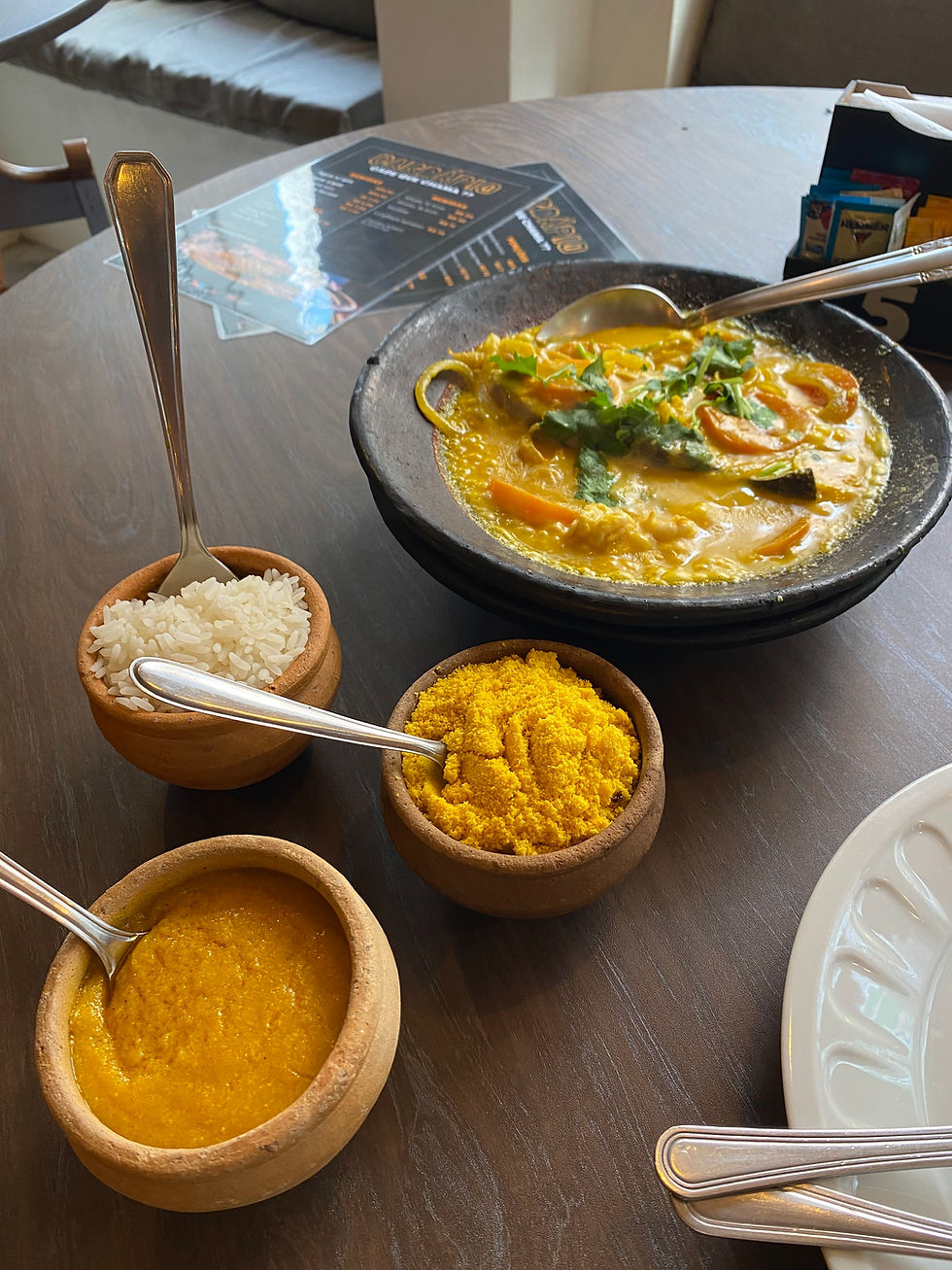
This restaurant, in the popular nightlife area of Rio Vermelho, is one of the most famous restaurants in Salvador for Bahian fare. This is a great place to try moqueca, the city’s iconic dish, which is a seafood stew made with fish or shrimp with tomatoes and onions in a broth of coconut milk, dendê oil, and spices. Portions are hefty and are always served in a clay pot—used to retain the heat—alongside rice and farofa (toasted cassava flour). Tereza cooks up one of the city’s best.

Cadê Q’Chama?
Located in an old house in the colorful neighborhood of Santo Antônio Além do Carmo, just up the hill from the Pelourinho, is another good spot for a steaming pot of moqueca. Grab a seat in the window and enjoy some people watching along the charming street outside while you eat.
Cuco Bistrô
This is another excellent spot for traditional Bahian food, looking toward the Convento e Igreja de São Francisco in the heart of the Pelourinho. By now you’ve probably had a lot of moqueca, so I recommend switching it up here and ordering the bobó de camarão, another classic Bahian dish, which is a sort of shrimp chowder with a broth of pureed cassava, coconut milk, and dendê oil, served over rice. It is a variation of the West African dish ipeté, which is used as a sacred offering to the orixá (deity) Oxum in Candomblé, the syncretic Afro-Brazilian religion that developed in the 19th century as a mix of Yoruba and Catholic traditions.
Acarajé da Dinha
Another sacred food offered to the orixás is acarajé, an emblem of Bahian history and culture as well. The base for this dish is a fritter made of mashed black-eyed peas deep fried in dendê oil; the fritter is then split open and filled with vatapá and caruru, two pastes made from shrimp, ground cashews and peanuts, and dendê oil, and topped with chopped tomatoes and onions and, optionally, shrimp.

The fritter is identical to akara, a popular street food in Nigeria; in fact, the name acarajé is a misnomer given to the dish by the Portuguese colonists, who heard Yoruba slaves selling it in the streets calling out, “come and eat akara.” Acarajé began to be sold in the streets of Salvador in the 19th century by black women who often used the profit to buy the freedom of their enslaved family members.
Today, the acarajé is sold by their descendants, traditionally prepared at street stalls by women known as baianas, clad in white cotton dresses and colorful headscarves. This stand, in the middle of a buzzing square of bars in Rio Vermelho, is one of the most famous spots in the city to try it.
Boteco do França
This lively Rio Vermelho restaurant is very popular with locals and is a lovely place to sit outside and soak up the atmosphere. I recommend the bolinhos de bacalhau (cod fritters) followed by the arroz de polvo (octopus risotto), which is out of this world. Be sure to try some of their molho picante (spicy sauce), too—apply it at your own risk.

If you need a break from Bahian cuisine or are just looking for a bit of variety, I recommend Boteco Português and Pasta em Casa, both in Rio Vermelho, for Portuguese and Italian food, respectively.
Looking for more tips on what to see and do around the city? Visit our Salvador page here.


